
Blog
Seekde: A Complete Guide to the AI Search and Knowledge Platform

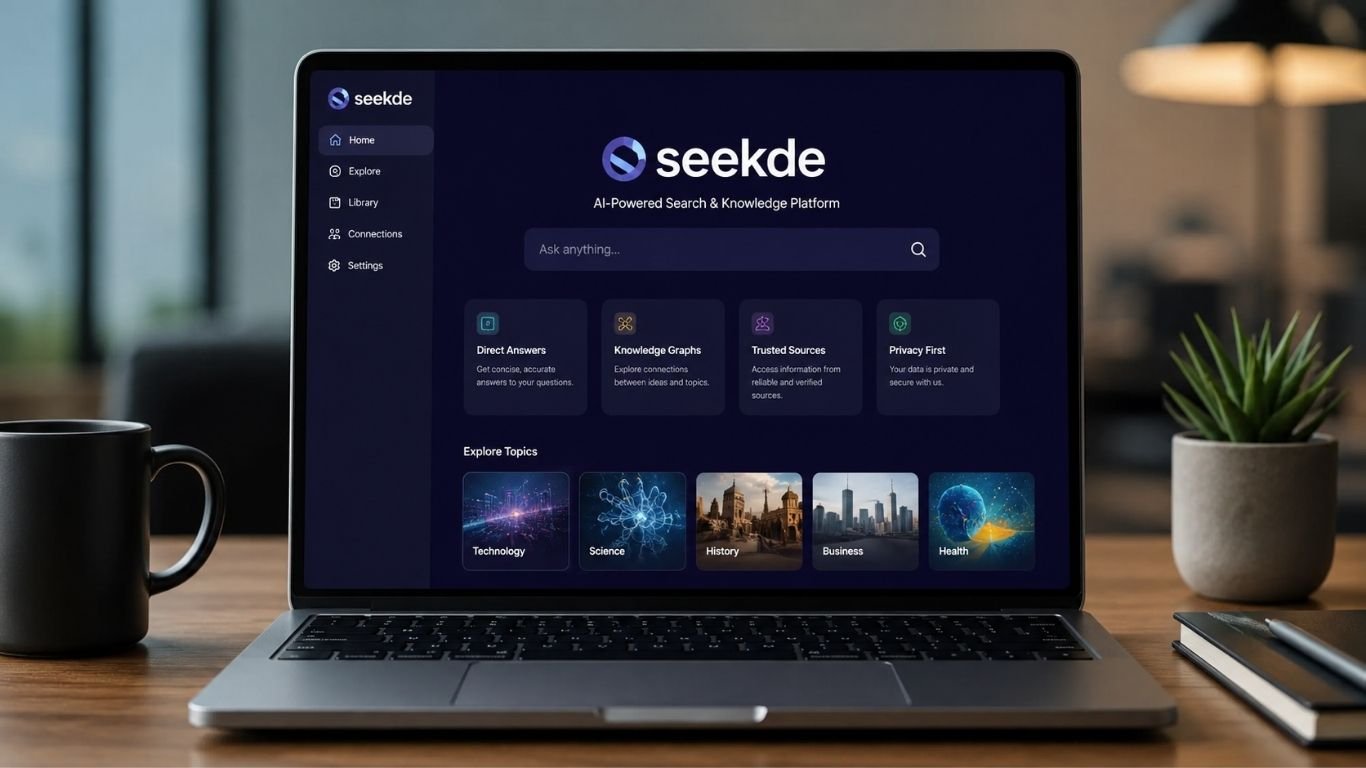
The web holds more facts than most people can use. A simple search may show ads and old pages. It may also show weak sources and long lists of links. Users must open many tabs before they find one clear answer.
Seekde aims to change that process. It is described as an AI assisted search and knowledge platform. Its goal is to study the meaning behind a question. It then gathers related details. It presents them in a clean form. It does not aim to send users into a maze of pages. It tries to give a direct path from a question to useful knowledge.
What Is Seekde?
Seekde is an emerging digital discovery concept built around artificial intelligence. It focuses on the goal behind a search, not only the words typed into a box. This approach is often called intent driven search.
A normal search engine may match a phrase with pages that use the same phrase. An AI discovery tool tries to understand what the person truly needs. It may study the question and spot key ideas. It can then group useful facts. The last step is a short answer.
The platform is also linked with natural language understanding. This means a user can ask a full question in plain words. The system then looks for context, links, and likely meaning.
Public details about its founder and launch date are not clear. Its company size and funding are also unknown. It is safer to view the service as a growing platform or model. It should not be treated as a proven full replacement for major search engines.
Why Online Search Needs a New Model?
Traditional search is useful, but it can create too much work. A broad question may return millions of pages. The user must judge titles and open sites. They may close pop ups and compare facts. Many people stop too soon.
Modern content also repeats itself. Many pages may repeat the same points. Some pages use bold claims to win clicks. Other pages hide the main point under long text. This can hurt study, work, and daily choices.
An intent based tool tries to cut this waste. It may collect the main facts and place them in order. It can then show how they connect. This helps users see the big picture.
The need is not only about speed. It is also about focus. People want less noise. They also want more meaning. A search system can sort ideas. This may make the web feel smaller and calmer. It may also make it easier to use.
How Intent Driven Search Works?
Intent driven search starts with the purpose of a question. The system asks, in effect, “What does this person need to know?” It then looks beyond a simple word match.
For example, a user may ask, “How did a founder build a company?” The true need may include early life and funding. It may also include business steps, key risks, and later success. A basic engine may show separate pages. Seekde may try to group those parts into one clear answer.
The same method can work with personal topics. A search about a public figure may involve a family tree and career facts. It may also cover lifestyle, public image, and social media use. The system can treat these as linked ideas rather than random terms.
Good intent tools also use follow up context. A second question can build on the first one. This may reduce the need to repeat names or dates. It may also save users from repeating topics. This creates a guided search flow.
How Direct Answers Are Built and Shown?
The main promise is a direct answer. The system may review several sources and find shared facts. It may remove repeated points. It can then create a short summary. It may divide the result into neat sections.
Clear structure matters. A long block of text can be hard to use. A long list of links can cause the same issue. Strong answer design may use short parts and simple labels. It may also use key terms in a clear order.
A useful response should also show limits. It should note when data is old. It should also note when sources disagree or a fact is not known. A confident tone does not make a weak claim true.
Seekde is often described as a tool that moves users from search to understanding. That goal depends on good source choice. It also depends on clear wording. A short answer must keep key facts. It must not cut points that change the meaning.
Knowledge Graphs and Connected Ideas
A knowledge graph shows how people, places, and events connect. It can also link firms and ideas. It can turn a flat answer into a map of meaning. This may help users study many sides of a topic.
Think of a search about clean energy. The main idea may link to solar power and battery storage. It may also link to public policy, cost, jobs, and climate goals. A graph can show those links at a glance.
The same method can help with a person or brand. A company profile may connect the founder, products, and funding. It may also show the market, rivals, and growth. A public profile may connect career work and family links. It may also show awards and media events.
Seekde may use this kind of structure to guide deeper study. A user can start with one question. They can then move into related topics without losing the main thread. This can make hard subjects feel less scattered.
Privacy and Safer Data Discovery
Privacy is a key concern in modern search. Search terms can reveal health fears and money needs. They may also expose work plans, school tasks, or private interests. Users need to know what data a platform keeps and why.
A privacy focused design should collect only what is needed. It should explain data use in plain words. It should also give users control over search history. The same control should cover saved searches and personal settings.
Seekde is presented as a platform that values user confidentiality. That aim is useful. But users should still review the current privacy rules before sharing private facts. A promise is not the same as a tested policy.
People should not place passwords or bank details into a search tool. They should also keep private records and secret work files out. Safe use starts with the user. It also depends on strong storage and clear consent. Honest data rules matter too.
Uses for Students and Researchers
Students often lose time while sorting weak sources. They may also miss the link between two ideas. An AI knowledge tool can help them build an early map of a topic.
Seekde may support a first round of research. A student could ask for the main causes of an event. They may also ask for key science terms or common views in a debate. The answer may point to themes that need deeper study.
Researchers may use structured summaries to scan a broad field. They can spot major terms and related studies. They may also find gaps that need more work. This may help early in a paper or project.
Still, the tool should not replace reading. Students must check original papers and dates. They must also review methods and authors. They should follow school rules on AI use. Good research needs proof, not only a smooth summary.
Uses for Freelancers and Work Teams
Freelancers often research new fields for clients. A writer may need market facts. A designer may need user needs. A consultant may need a fast view of a firm. The same task may cover a product or trend.
Seekde can fit this early discovery stage. It may gather a topic into one place. This can reduce the time spent opening tabs. It gives workers more time to plan, write, test, or speak with clients.
Teams may also use a shared answer as a starting point. A clear summary can help people agree on terms. It can also help them set goals. Linked ideas may show what each worker needs to study next.
The main gain is better use of time. Teams should still check key facts before they make a choice. They must also check facts before they spend money or send work to a client. Fast research must remain careful research.
Uses in Daily Digital Life
Daily searches are often small. People look up product care and travel ideas. They also search for public figures, recipes, school terms, and work tips. They may compare services or learn a new skill.
An answer first tool can reduce friction. The user asks a plain question and gets a clear starting point. They can then ask for more detail without starting again.
This may support a calmer digital lifestyle. Fewer tabs can mean less clutter. Short sections can make phone reading easier. Related ideas can help a user learn. They do more than support a quick scan.
Seekde may also help people who feel lost in technical language. A strong system can explain hard terms with simple words. Yet it must not make a topic too simple. Good answers stay clear while keeping the facts intact.
Main Benefits That May Save Time
The first benefit is focus. A direct answer can place the main point near the top. Users do not need to search through long pages before they understand the topic.
The second benefit is structure. Grouped facts are easy to scan. They are also easy to save and discuss. This is useful for study notes and client briefs. It can also help with team plans.
The third benefit is context. Related ideas can explain why a fact matters. They may also show new links. A user may not think to search for those links.
Seekde may also lower repeat work. A follow up question can build on the current topic. This makes search feel more natural.
These gains depend on answer quality. A fast summary can use weak sources. When that happens, it may waste more time later. The best result needs speed and source care. It also needs context and user review.
Limits, Accuracy, and User Care
AI search has real limits. It may mix facts or miss a date. It may use an old source. It may also state an unsure point with too much confidence. This risk is called hallucination.
Source quality is another concern. A system may collect many pages, but volume does not prove truth. One official record can be worth more than many copied posts.
Freshness also matters. News and prices can change fast. Laws, roles, and company facts can change fast too. Users should check dates and current sources.
Seekde should be used as a guide, not as the final judge. Medical, legal, and money choices need trusted expert advice and primary records.
Users can lower risk by asking clear questions. They should check names and dates. They should also compare key claims. They should look for source notes when the platform provides them.
Seekde and Traditional Search Engines
Traditional search engines are built to find pages across the web. They are strong when a user wants a known site or a local result. They also help with product pages and many views on one topic.
An AI discovery platform has a different role. It tries to read the question and combine facts. It then explains the result. This may be better when the user wants a fast overview. It may also offer a guided learning path.
The two models can work together. A user may start with Seekde to understand a topic. They may then use a normal search engine. This can open official records, full studies, or direct statements.
This makes the platform more of a layer above search than a full replacement. It may help explain and organize a topic. A normal engine still helps users find official pages and local results. It can also find shops, maps, news, and direct sources. Each tool has a different role.
The Future of AI Knowledge Platforms
Search is moving toward answers, context, and guided tasks. Users now expect tools to understand full questions. They also expect the system to recall the topic. This matters during follow up steps.
Future platforms may combine text, images, and audio. They may also use charts and live data. They may build personal study paths or work spaces. Better source tracking could make each claim easier to check.
Privacy will shape this future. Users may favor tools that collect less data. They may also favor clear rules. Trust may matter as much as speed.
Seekde reflects this wider shift. Its core idea is that finding a page is not the same as gaining knowledge. The next stage of search may help users connect facts. It may also help them judge meaning and act with care.
Bottom Line
Seekde presents a clear vision for online discovery. It aims to understand intent. It gathers related facts and places them into a useful form. This may reduce tab overload.
Its strongest ideas are direct answers and linked concepts. Simple structure and privacy aware design also matter. These features can support students and researchers. They can also help freelancers, teams, and daily users.
The platform also needs careful use. AI summaries can be wrong. They can also be old or incomplete. Key facts should still be checked through primary and trusted sources.
The service is best viewed as an emerging knowledge layer. It may add value beside normal search. Its long term success will depend on accuracy and source clarity. Privacy and real user trust will matter too.
FAQs
Is Seekde a real search engine?
It is described as an emerging AI search and knowledge platform. Its public business history is not yet clear. Its product scale is also unknown. It is safer to view it as a developing tool. It is not yet a full rival to major search engines.
How does it understand a user’s question?
The system is linked with natural language understanding and intent analysis. These methods study the words and context of a query. They also try to find its likely goal. The platform can then group related facts and present a more direct answer.
Can students use it for school research?
Yes, it may help students find key terms, main themes, and links between ideas. They should still read original sources. They must check dates and follow school rules. An AI summary should support research.
Does it protect user privacy?
Privacy focused design is part of the platform’s stated idea. Yet users should read the current policy before sharing private details. They should never enter passwords or bank data into a search box. Secret files and sensitive records should also stay out.
Can it replace Google?
It is not best viewed as a full Google replacement. It may help explain and organize a topic. A normal engine remains useful for official pages and local results. It can also find shops, maps, news, and direct sources.
Who should use the platform?
It may suit students, researchers, and freelancers. Teams and general users may also find a clear starting point. It may suit broad questions that need context and structure. It can also show links between several ideas.
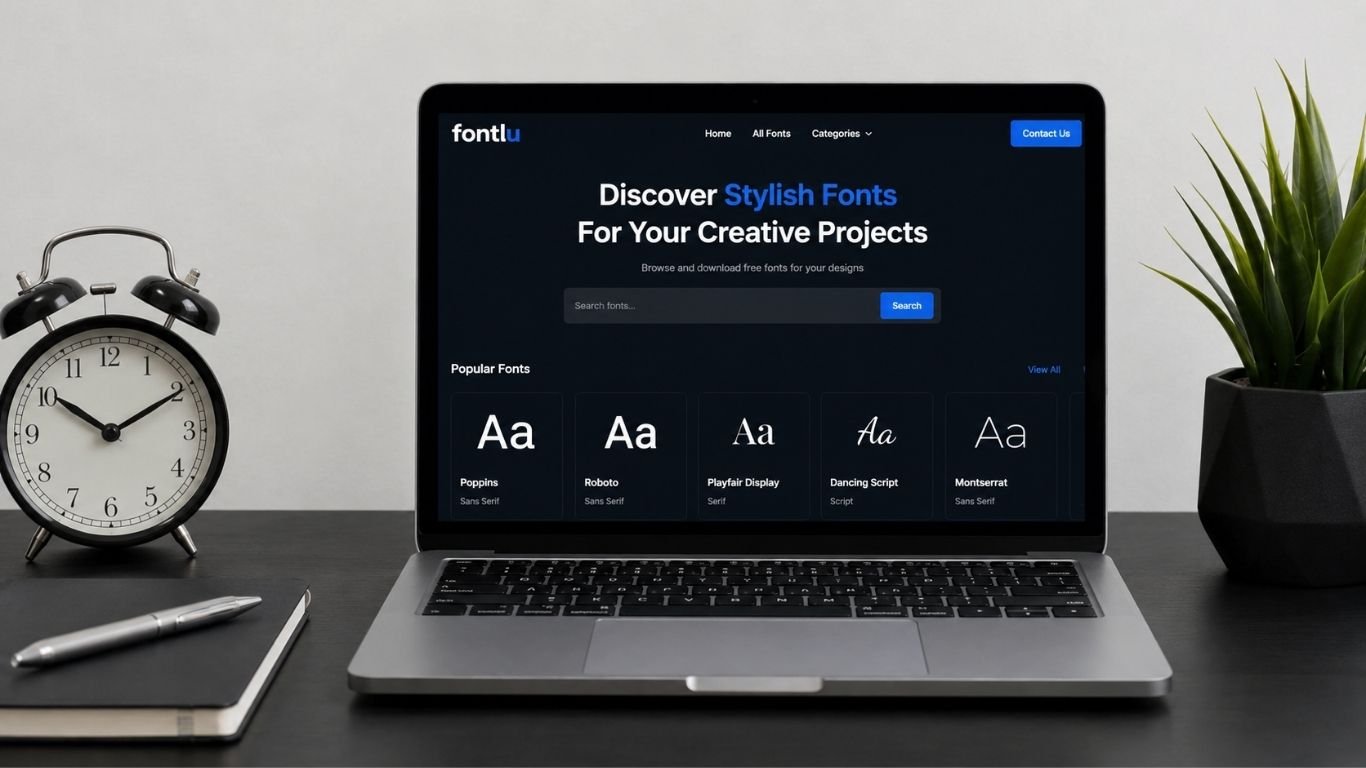
Fontlu is an online typography platform that helps users find stylish fonts for creative projects. It offers both free and premium typefaces for logos, websites, branding, social media posts, and print designs. The platform is useful for designers, developers, business owners, and content creators who want fresh font ideas in one place. With simple browsing and preview tools, Fontlu makes it easier to compare styles and choose a font that fits the look and purpose of a project.
What Is Fontlu?
Fontlu is a web-based platform focused on fonts and visual text. It helps users explore typefaces that can change the look and feel of a design.
A font is more than a set of letters. It gives a message its visual voice. A bold font can feel strong. A script font may look soft or personal. A clean sans-serif typeface can make a website feel modern.
Fontlu gives users a place to test such styles without opening complex design software. The site currently includes a font creator tool where visitors can type text, choose a font, change its size, preview the result, and copy the styled text. s makes the platform suitable for both new and skilled users. You do not need years of design experience to compare a few font styles and see which one fits your idea.
How Does Fontlu Work?
Using Fontlu is designed to be simple. The exact steps may change as the website adds or updates features, but the main process is easy to understand.
Enter Your Text
Start by typing a word, name, title, or sentence into the text box. You might enter a business name, a social media caption, or a heading for a website.
Using your real project text is better than testing a random sample. It shows how the typeface handles the letters that will appear in the final design.
Choose a Font Style
Next, select a font from the available choices. Different typefaces can create very different moods.
A serif font may give a formal or classic look. A sans-serif font often feels clean and modern. Script fonts can look elegant, while display fonts are made to attract attention.
Adjust the Font Size
Change the text size until the preview is easy to judge. Small text helps you test body copy. Large text is better for logos, banners, posters, and headings.
Fontlu’s tool includes a font-size control, which allows users to test how a style looks at different scales. Review the Preview
Look at the spacing, shape, and readability of the letters. A font may look great in one word but feel crowded in a full sentence.
Check special letters, numbers, and punctuation marks as well. This is important when the final project includes dates, prices, web addresses, or product codes.
Copy or Download the Result
The Fontlu creator tool offers an option to copy text after styling it. Font files listed on a font platform may also be available for download, depending on the resource and its license terms. ore downloading or using anything in a public project, read the usage rules shown with that font.
Main Features of Fontlu
Fontlu aims to make font use more direct. Its value comes from giving users a faster way to explore visual text.
Free and Premium Fonts
The platform describes its collection as including both free and premium typefaces. This gives users options for different needs and budgets. e fonts can be useful for school work, personal graphics, test designs, or early ideas. Premium fonts may offer more weights, extra characters, better spacing, and broader license rights.
However, “free” does not always mean free for every purpose. A typeface may be free for personal use but restricted in business work.
Easy Font Preview
A preview tool helps users judge a font before using it in a full design. This is useful because a font name or sample image does not always show how it will look with your own words.
Testing the real brand name or heading can prevent poor choices later.
Font Size Control
Size affects how a typeface looks. Thin lines may disappear when text is small. Heavy letters may feel crowded when used in a long paragraph.
Fontlu lets users adjust the preview size so they can study a font in more than one setting. Quick Text Copying
The copy feature is useful for people creating short text for digital projects. After testing a style, users can copy the result and move it into another tool where supported.
This can speed up small creative tasks. Still, copied decorative text is not always the same as installing a real font file. Some online text tools use special Unicode symbols instead of standard typefaces.
Browser-Based Access
Fontlu works through a website, so users can explore it from a browser. This removes the need to install a large design program just to test a few font styles.
The final use of a downloaded font may still require design, writing, or development software.
Who Can Use Fontlu?
Fontlu can serve many kinds of users. Its tools are not limited to professional designers.
Graphic Designers
Designers can use Fontlu during the early stage of a project. They can compare typefaces for posters, packaging, social graphics, and client presentations.
A quick preview may help narrow a long font list before moving into advanced software.
Logo Designers
Typography often forms the main part of a logo. Even logos with symbols usually include a business name or short line of text.
Fontlu can help logo designers compare letter shapes and test how a company name looks in different styles. Commercial logo use is only allowed when the selected font license permits it.
Web Developers
Developers can explore possible fonts for headings, buttons, menus, and body text. However, a desktop font license may not include permission to place the font on a website.
Web designers must check whether the typeface includes a webfont license. Fonts are treated as software, and different licenses may cover desktop use, websites, apps, digital books, or server-based tools. Social Media Creators
Creators can use stylish text to develop post covers, profile graphics, video titles, and promotional images.
The font should remain easy to read on a small phone screen. Highly decorative letters may work for a short title but are often a poor choice for long captions.
Small Business Owners
A small business owner may need fonts for menus, price lists, signs, product labels, and online posts.
Fontlu can provide ideas, but the owner should keep the same main fonts across all brand material. Constantly changing type styles can make a business look less organized.
Students and Beginners
New designers can learn basic typography by comparing font categories. They can study how a serif style differs from a sans-serif or script typeface.
Fontlu’s simple preview process gives beginners a low-pressure way to test ideas.
Ways to Use Fontlu in Creative Projects
Fonts found or previewed through Fontlu may support many types of work.
Logo and Brand Design
A strong brand font should match the company’s identity. A law firm may need a serious and stable style. A children’s shop may choose something softer and more playful.
Do not choose a font only because it looks trendy. It should also remain clear, useful, and suitable for the brand.
Website Typography
Websites usually need at least two clear text levels. One font may be used for headings, while another handles paragraphs.
Some designers use one font family with different weights. This creates a more consistent look and can make the page easier to manage.
Open-source font services such as Google Fonts provide fonts that can be used in commercial and non-commercial projects under their listed open-source licenses. They also offer a web API for adding fonts to websites. tlu users should not assume that every typeface has the same rights.
Social Media Graphics
Bold and clear fonts work well for short post titles. Script or decorative fonts can add style to event cards, quotes, or announcements.
Keep the message short. Large blocks of decorative text are difficult to read, especially on mobile devices.
Presentations
Typography can make a presentation look clean and professional. A clear font helps people follow slides from a distance.
Use larger text for titles and simple fonts for main points. Avoid adding too many typefaces to one deck.
Print and Packaging
Fonts can appear on business cards, labels, boxes, flyers, menus, and posters.
For print work, test the smallest text before producing a large order. Fine details may look clear on a computer but disappear when printed.
Free Fonts and Premium Fonts
The main difference is not always design quality. The license and number of included features also matter.
A free font may include only one weight, such as regular. A premium family may offer thin, medium, bold, black, italic, and other styles.
Premium packages may also contain:
- More language support
- Extra symbols
- Better spacing
- Ligatures
- Alternate letters
- Webfont files
- Commercial rights
- Technical support
Some free fonts are open source and allow broad use. Others are free only for personal projects. Always read the license instead of judging rights by the download price.
Understanding Font Licenses on Fontlu
Font licensing is one of the most important parts of using Fontlu or any other font website.
Buying a font usually means buying permission to use the font under set conditions. It does not always mean that you own the typeface itself. Personal-Use License
This usually covers private projects that are not made for profit. Examples may include a personal invitation, school graphic, hobby project, or test design.
It may not cover a business logo or paid client work.
Commercial License
A commercial license may allow use in business material, advertising, logos, or products. The exact rights can still differ.
Some licenses limit the number of users, devices, products, sales, or client projects.
Desktop License
A desktop license often allows the font to be installed on a computer and used in design software. It may cover print graphics, logos, and static images.
It does not always permit website embedding, app use, or editable templates.
Webfont License
A webfont license gives permission to load the font on a website. Some licenses limit the number of websites, domains, or monthly page views.
App or Digital Product License
Using a font inside an app, game, e-book, or downloadable template may require separate permission.
Before using a Fontlu typeface, check the original license file or the creator’s official terms. When the rules are unclear, contact the font author or seller.
Common Font File Formats
Fontlu states that font resources may commonly use formats such as TTF and OTF. TTF
TTF means TrueType Font. It is a common format supported by many operating systems and design programs.
It works well for everyday desktop use.
OTF
OTF means OpenType Font. This format may support advanced features such as alternate letters, ligatures, and expanded character sets.
The available features depend on how the font was built.
WOFF and WOFF2
These formats are mainly made for website use. They are compressed so browsers can load them more efficiently.
Having a TTF or OTF file does not automatically give a person the legal right to convert and use it as a webfont.
How to Choose the Right Font on Fontlu
Start with the goal of the project. Do not begin with the most decorative option.
First, ask what the design should communicate. Should it feel modern, formal, friendly, bold, elegant, or playful?
Next, test readability. Enter the real words that will appear in the design. Try uppercase and lowercase letters. Add numbers and punctuation when needed.
Then compare several sizes. A logo font must stay clear on a website icon, business card, and large sign.
Finally, check the license. A beautiful font has little value when its terms do not cover the project.
Tips for Better Font Pairing
Pairing fonts means using two typefaces that work well together.
A common method is to use one expressive font for headings and one simple font for paragraphs. The contrast creates interest without making the design feel crowded.
Avoid pairing two fonts that are almost the same. Small differences can look like a mistake.
Also avoid using several bold display fonts on one page. They compete for attention and weaken the visual order.
Two font families are often enough for a small brand or website. Different weights can create extra levels without adding more typefaces.
Is Fontlu Safe to Use?
Fontlu can be explored through a normal web browser, but users should follow standard care when downloading any file from the internet.
Check the file type before opening it. Scan downloads with updated security software. Avoid files that contain unexpected programs or request unusual permissions.
Users should also review the website’s current privacy, cookie, and license terms. Fontlu displays cookie controls for necessary, functional, analytical, advertising, and unclassified cookies. t importantly, confirm that the font comes from a clear source and includes understandable usage terms.
Advantages of Using Fontlu
Fontlu offers a simple starting point for typography work. Users can test text without opening complex software. The platform may also help creators find new styles for personal and professional projects.
Its main advantages include easy access, quick previews, font-size controls, copy tools, and a mix of free and premium options.
The site is most useful as a discovery and testing resource. Final project decisions should still consider readability, software support, file quality, and legal rights.
Possible Limits of Fontlu
No font platform can make every design choice for the user.
The first limit is licensing. Not every free font is approved for business use.
The second limit is quality. Different font files may have different spacing, language support, symbols, and technical features.
The third limit is project fit. A font that looks attractive in a preview may not work well in a full website, book, or mobile app.
Users should test every chosen typeface in the real design before publishing it.
Final Thoughts
Fontlu gives designers and creators a simple way to explore stylish typography. Its online font creator lets users enter text, choose a style, adjust the size, preview the result, and copy it. The platform also presents itself as a source for free and premium fonts. can be useful for logos, websites, presentations, social media posts, and print projects. Still, choosing a font is about more than appearance.
The typeface must be clear. It must fit the message. It must work across the required sizes. And its license must cover the final use.
With careful testing, Fontlu can become a practical starting point for finding a visual style that makes words feel more distinct and memorable.

Cjmonsoon is a small online brand linked closely to the 360-wave community. Its best-known product is a fitted compression cap that helps hold brushed hair in place. The cap is often worn alone or over a durag for added pressure.
The store also has durags and custom apparel. These items give buyers more ways to match their hair routine with their own look. That mix has helped the brand stand apart from general hat shops and large hair stores.
The name is also used for online content tied to style, culture, art, and personal growth. This gives the brand a wider feel than a basic product shop.
How the Monsoon Cap Became Popular?
The Monsoon Cap gained notice because many wavers wanted an easy way to add firm, even compression. A normal stocking cap can slide, stretch, or lose shape. A thick cap can feel more secure during sleep or daily wear.
Video reviewers helped introduce the product to more people. They showed how it fits, how much pressure it gives, and how it compares with common wave caps. These real demos made the product easier to understand. monsoon became known as a practical choice during long wolfing periods. Hair grows thicker at that stage, so keeping it flat can become harder. Strong compression may help hold the pattern after brushing.
Why Compression Matters for 360 Waves
360 waves form through steady brushing, moisture, hair control, and time. Compression helps keep the hair laid after a brush session. It does not create waves by itself, but it can support the routine.
A cap should feel firm without causing pain. Too little pressure may not hold the hair well. Too much pressure may leave marks or cause discomfort. The right fit depends on head size, hair length, and how the cap is worn.
Many people use cjmonsoon gear over a silky durag. This method gives the hair a smooth first layer and a stronger outer layer. It can be useful at night, during travel, or after adding a light hair product.
Main Features of the Monsoon Cap
The Monsoon Cap is known for a broad band and a close fit. Its shape is made to cover the wave area while keeping pressure around the head. The stretch also helps it fit over thick hair.
One useful feature is easy removal. Users often place both hands near the sides and lift the cap in a controlled way. This can reduce pulling and keep the hair from moving against the pattern.
The cap can also be folded at the band for a different fit. Some people use one cap, while others layer it over a durag. Since comfort varies, new users should test the cap for a short time before wearing it overnight.
Silky Durags and Hair Protection
Durags remain a key part of wave care. A smooth durag helps reduce rubbing while a person sleeps. It also keeps moisture from leaving the hair too fast.
cjmonsoon durags are often linked with stretch fabric, firm stitching, and a close wrap. Long straps allow the wearer to adjust the pressure. A well-tied durag should stay in place without feeling harsh on the forehead. Customer feedback also mentions custom durags and other wave-focused products. mes from clean, even wrapping. The center seam should sit straight, and the fabric should not bunch over the wave pattern. A cap can then be placed on top for added hold.
cjmonsoon for Wolfing Stages
Wolfing means letting the hair grow longer while still brushing and training the pattern. This stage can help waves become deeper, but it also makes the hair harder to control.
During a wolf, the roots may lift even when the top looks smooth. This is where stronger compression can help. A fitted cap can keep the hair close to the scalp after a long brush session.
Still, cjmonsoon products work best as part of a full routine. Users should brush from the crown in the correct direction. They should also wash the hair as needed and use only enough product to keep it soft.
How to Wear and Care for the Cap
Start with dry or slightly damp hair. Brush the hair in its set pattern, moving from the crown toward the edges. Add a small amount of moisturizer when needed.
Place a durag on first when double compression is part of the routine. Make sure the fabric lies flat. Then stretch the cap with both hands and lower it over the head without rubbing the hair backward.
The cjmonsoon cap should cover the main wave area and feel even on all sides. If the band feels too tight, remove it and adjust the layers. Pain, numbness, or a deep mark means the fit is not right.
Hair gear also collects oil, sweat, and product. A gentle hand wash with cool water and mild soap is often a safe choice. Avoid hard twisting, and let the item air-dry. High heat may weaken elastic parts or change the fit.
Custom Apparel and Personal Design
Hair gear is only one part of the store’s wider style. The brand has also been linked with custom shirts, dry-fit clothing, and logo-based pieces. These products let customers create a more personal look.
Custom apparel can work for wave groups, small brands, teams, or local events. A clear logo and simple color plan often look better than a crowded design. Buyers should also check image quality before sending artwork.
This custom side gives cjmonsoon a creative role. It connects grooming with streetwear and small business culture. That approach may appeal to people who want useful products that also express identity.
Who May Benefit From cjmonsoon?
The products may suit people who already brush for waves and need more control. They may also help users with thick hair, longer wolfing stages, or caps that often slip during sleep.
New wavers can use the gear too, but they still need to learn the basics. A good cap cannot fix weak brushing angles or an uneven crown. Progress comes from a full routine done day after day.
Before buying from cjmonsoon, check the product size, fabric, and care details. Read recent comments about comfort, stitching, delivery, and long-term use. Product lines, prices, stock, and store terms can change, so review the current details at checkout.
Why the Brand Stands Out
The brand focuses on a clear need rather than trying to serve every shopper. It speaks to people who understand brushing, wolfing, compression, and crown work. That focused message has helped it gain notice in wave culture.
cjmonsoon also blends function with creative style. The Monsoon Cap supports hair control, while durags and custom apparel add choice. Reviews and videos have helped keep the products visible within the community.
The brand is not a shortcut to perfect waves. No cap can replace brushing, moisture, clean hair, and patience. Yet the right compression gear can make a strong routine easier to manage.
Bottom Line
Cjmonsoon has built its name around compression gear for the 360-wave community. Its Monsoon Cap remains the main draw, while silky durags and custom clothing add more value to the brand.
It may be worth exploring for people who need firm hair control or want wave gear with a personal style. Buyers should choose the right fit, follow a steady routine, and keep every item clean.
In the end, cjmonsoon works best as a support tool. Good waves still come from daily care, correct brushing, and time. The gear simply helps protect that work.

Pyntekvister are decorative branches used to bring shape, texture, and calm beauty into a room. The word comes from Norwegian and means “decorative branches.” These branches may be fresh, dried, flowering, or preserved.
They fit well with Scandinavian interior design because they look natural and simple. One branch in a tall vase can change the feel of a space without making it look busy. That is why pyntekvister appear in modern homes, offices, cafés, and seasonal displays.
What Are Pyntekvister?
Pyntekvister are tree or shrub branches chosen for home decoration. They are not limited to one plant, color, or season. Some people use twisted willow for bold shapes. Others prefer birch, eucalyptus, pine, or flowering fruit branches.
Natural branches add height without taking up much floor space. They can fill an empty corner or soften a plain wall.
Unlike large flower arrangements, decorative branches need little styling. Their uneven lines and natural marks are part of the appeal.
Why Decorative Branches Suit Nordic Homes?
Nordic design often uses pale colors, open space, soft light, and natural materials. Wood, stone, wool, linen, and plants make a room feel warm without adding clutter. Pyntekvister follow the same idea.
Their shape adds visual interest, but the display still feels light. A few branches can make a room look finished while keeping the calm mood linked with Scandinavian decor.
They also work well with neutral walls and simple furniture. Neutral backgrounds allow the branch shape to stand out.
The Best Branches for Indoor Styling
Many branches can be used indoors, but some types are easier to style. Willow is known for long, smooth lines. Curly hazel has twisted stems that create a strong, sculptural look.
Eucalyptus gives a softer result. Its muted green leaves work well with grey, cream, and natural wood. It may also keep a light scent when fresh.
Birch branches are popular for their pale bark. Pine and other evergreens bring deeper color and a winter mood. Cherry and apple branches can produce delicate flowers when brought indoors at the right time.
The best pyntekvister depend on the room, season, and vase. Bold branches suit large spaces, while thin stems work better on shelves and small tables.
How to Choose the Right Vase?
A branch display needs a stable base. Tall stems can become top-heavy, so the vase should be wide enough to hold them safely. Heavy ceramic, stoneware, or thick glass often works best.
A clear glass vase gives a clean and modern look. It also lets the stems become part of the design. A rough clay vase adds warmth and suits rustic rooms.
The vase opening also matters. A narrow opening keeps a small group of pyntekvister upright. A wider opening lets the stems spread out and creates a looser shape.
As a simple guide, visible branches can be about one and a half times the height of the vase.
Creating a Minimalist Statement Display
One of the easiest ways to style pyntekvister is to use one or two large branches. Place them in a simple vase and leave enough open space around the display.
Do not try to make both sides look equal. Natural branches often look better when the shape is slightly uneven. Turn the vase until the strongest curve faces the room.
A tall display works well beside a sofa or plain wall. Smaller branches suit consoles and tables.
Keep nearby objects limited. A candle, book stack, or ceramic bowl may be enough. Too many items can hide the natural form of the branches.
Seasonal Ideas for Spring and Summer
Spring is a good time to use budding or flowering branches. Cherry, apple, plum, and forsythia branches can bring soft color indoors. Their flowers make a room feel fresh.
Fresh pyntekvister can sometimes open early when placed in water inside a warm room. This method is often called forcing branches. It works best with stems that already have visible buds.
In summer, green branches create a light and relaxed look. Eucalyptus, olive-style foliage, or simple leafy twigs can suit bright rooms and open windows.
Use clear or pale vases during warmer months. They help the display feel fresh rather than heavy. Keep the arrangement loose so light can move through it.
Autumn and Winter Decorating Ideas
Autumn branches can include dried leaves, seed pods, berries, or warm brown stems. These details work well with candles, wool throws, wooden trays, and soft lighting.
For winter, bare twigs and evergreen branches are common choices. Pine brings a traditional seasonal look, while birch gives a cleaner and more modern style.
Some people wrap fine micro-LED lights around pyntekvister. The lights add a gentle glow without needing a large decoration. Battery-powered lights work well away from wall sockets.
Keep the wire neat and avoid thick cables. Small warm lights look softer and allow the branch shape to remain visible.
Easy DIY Projects With Decorative Twigs
Pyntekvister can be used for more than vase displays. Smaller twigs can become wall art, wreaths, table decorations, or hanging pieces.
A simple wall hanging can be made with one strong branch and natural cord. Lightweight paper shapes, dried flowers, or small ornaments can hang from it.
For a table centerpiece, tie several thin twigs together with floral wire. Place them on a wooden board with candles or small glass jars. Keep open flames away from dry branches.
A rustic wreath can be made from flexible willow. Bend the stems into a circle and secure them with wire. Add a few leaves or ribbons for a clean Nordic look.
How to Care for Fresh Branches
Fresh pyntekvister need clean water and a fresh cut. Trim each stem at a 45-degree angle before placing it in the vase. This gives the branch a wider area for taking in water.
Remove any leaves that would sit below the water line. Wet leaves can rot and cause bad smells. Change the water every two or three days.
Wash the vase when the water becomes cloudy. Keep fresh stems away from strong heat, direct afternoon sun, and heating vents.
Some flowering branches may last one or two weeks. Others may stay fresh for less time. Their life depends on the plant type, room heat, and water changes.
Caring for Dried and Preserved Branches
Dried pyntekvister need less care, but they still collect dust. Use a soft feather duster or a clean makeup brush to remove loose dirt.
You can also use a hair dryer on the coolest and lowest setting. Hold it at a safe distance so delicate leaves and bark do not break.
Keep dried branches away from bathrooms and other damp rooms. High moisture may cause mold or make dried leaves curl. A dry room with stable air is better.
A light coat of clear matte spray may reduce shedding. Test it on a small part first because some sprays can darken leaves.
Common Styling Mistakes to Avoid
The first mistake is using a vase that is too light. Tall branches can tip over, especially near doors, children, or pets. Always test the balance before leaving the display in place.
Another mistake is adding too many stems. Pyntekvister usually look better when each branch has room to show its shape. More branches do not always create a better result.
Scale also matters. Tiny branches may look lost beside a large sofa. Oversized stems can crowd a narrow shelf or small dining table.
Avoid placing dry twigs near candles, fireplaces, or hot lamps. They can catch fire quickly. Safe placement should always come before appearance.
Where to Find Good Decorative Branches
You can buy pyntekvister from florists, garden shops, home decor stores, and online sellers. Some shops offer natural dried stems, preserved leaves, or pre-lit branch displays.
You may also collect fallen branches from your own garden or land where collection is allowed. Do not cut branches from public parks, protected areas, or private land without permission.
Check each branch for insects, mold, and loose dirt before bringing it indoors. Let outdoor branches dry in a sheltered place, then clean them gently.
Choose clear curves and healthy bark for a polished look. Uneven forms suit rustic rooms.
Pyntekvister offer a simple way to bring nature into the home. They suit modern, rustic, Nordic, and seasonal spaces without needing costly decor.
A single willow branch can create drama. Fresh blossoms can add spring color. Pine, birch, or lit twigs can bring warmth during winter.
Choose a branch that fits the room and place it in a stable vase. Keep the design open, clean, and safe. With basic care, pyntekvister can remain part of your decor through every season.

What is Foster CryptoProNetwork? Features, Uses, and Safety Guide

What Is Fontlu? Features, Uses, and Font Options

What Is Cjmonsoon? Products, Durags, and Wave Gear Explained

Merfez Meaning: A Guide to Simpler, Warmer, and More Intentional Living

What Is Fapelli? Features, Uses, and Business Benefits

Bumetro User Guide: Plan Smarter Trips With One Mobility App
-
 Blog3 weeks ago
Merfez Meaning: A Guide to Simpler, Warmer, and More Intentional Living
-
 Blog3 weeks ago
What Is Fapelli? Features, Uses, and Business Benefits
-
 Technology3 weeks ago
Bumetro User Guide: Plan Smarter Trips With One Mobility App
-

 Technology3 weeks ago
What Is the IP2 Network? A Complete Guide
-

 Blog3 weeks ago
What Is a Serumcu? Uses, Risks, Safety, and Medical Facts
-

 Blog2 weeks ago
Why AI Transformation Is a Problem of Governance for Modern Businesses
-

 Blog3 weeks ago
What Is Nerwey? A Complete Norway Seasonal Travel Planning Guide
-

 Blog2 weeks ago
Troozer Com: What It Is, How It Works, and Is It Safe?