Tech
Bumetro User Guide: Plan Smarter Trips With One Mobility App

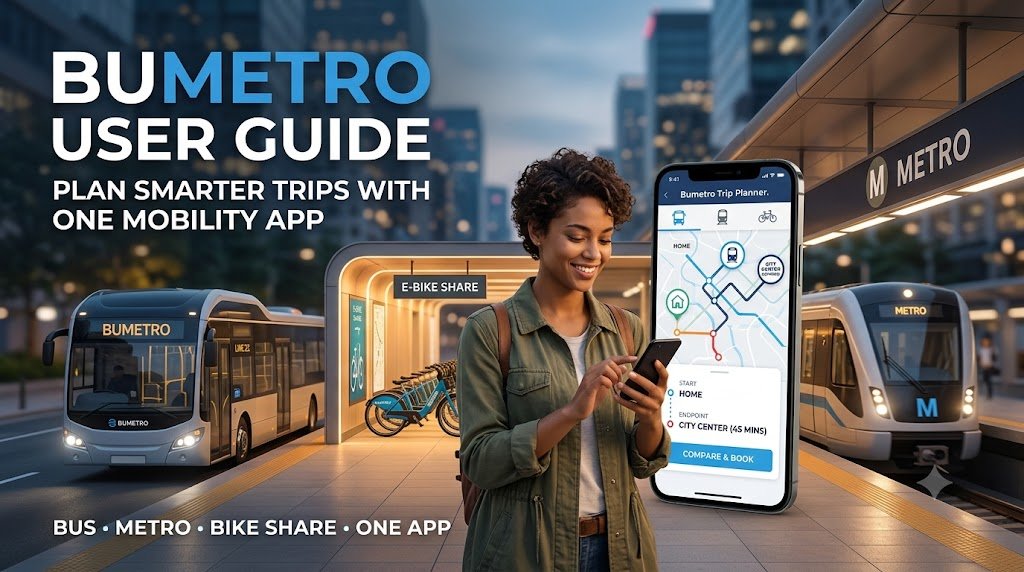
Bumetro is a multi-modal mobility platform built to make city travel easier. It brings several transport choices into one app. Users can view buses, trains, bikes, and rideshare services without moving between separate tools.
A trip may need more than one type of transport. You may take a bike to a station, ride a train across town, and use a rideshare car for the final part. Bumetro helps place those steps into one clear plan.
This model is often called Mobility as a Service, or MaaS. Modern mobility platforms can connect public transit, bikes, scooters, and shared cars within a joined travel experience.
How Bumetro Makes Daily Travel Easier
Many city trips are harder than they should be. A traveler may need one app for bus times, another for trains, and a third for a bike or car.
Bumetro aims to reduce that problem. It gives users one place to study possible routes. A person can check which travel mix may be faster, simpler, or better for the trip.
The platform also shows the journey as connected stages. This can make transfers easier to understand and reduce poor route choices.
How to Set Up the Bumetro App
Start by downloading the app from a supported app store or opening its web platform, when available. Create an account if required. Use a strong password and review the privacy settings.
Allow location access only when needed. It can help the platform find nearby stops, stations, bikes, and pickup points. You may also enter your starting place by hand.
Review the available travel modes. Turn on the services you use most, such as buses, rail, cycling, walking, and rideshare.
How to Plan Your First Trip
Open Bumetro and enter your starting point. Add the place you want to reach. You may also choose a departure or arrival time.
The platform can then build a route from the available travel choices. One plan may use a train. Another may combine a bus, a short walk, and a bike ride.
Check the total time, number of transfers, walking distance, and expected wait. Select the route that fits your needs instead of choosing the first result.
How to Compare Route Options
A fast route is not always the best route. Some users want the lowest cost. Others want fewer changes, less walking, or a direct path.
Bumetro lets users compare complete journeys instead of viewing each service alone. A train may look fast, but its station could be far away. A bus may take longer yet offer an easier trip.
Review transfer points and the time between each stage. Leave extra time when a connection looks tight.
Using Buses and Trains
Public transport often forms the main part of a city trip. Bumetro places bus and train choices within the same route plan. This can help riders see where to board, change, and leave.
Check the route number, station name, platform details, and direction. Similar route names may travel in opposite directions.
Traffic, repairs, and local events can affect service. Review the trip shortly before leaving. Follow official operator notices when they differ from the app.
Adding Bikes to a Journey
Bikes can solve the first-mile and last-mile parts of a trip. These are the gaps between a home, station, office, or final stop.
Bumetro may show cycling as a full route or one stage of a mixed trip. A user could ride to a station, park the bike, and continue by train. Research on urban mobility treats cycling and public transport as connected layers within a wider network.
Check the distance and road conditions before riding. Use bike lanes where possible, wear safety gear, and follow local traffic rules.
Using Rideshare for the Final Part
Rideshare can help when public transport does not reach the exact destination. It may also be useful during late hours, poor weather, or trips with heavy bags.
A route may combine a bus or train with a rideshare pickup. Check the pickup point with care because busy stations may have set zones for cars.
Compare the added cost with the time saved. Prices and wait times can change, so review the provider’s details before booking.
Managing Transfers Without Stress
Transfers are often the hardest part of a mixed journey. A route may look good on a map but fail when the gap between services is too short.
Check how far you must walk and whether you need to cross a road, change levels, or enter another station. Add a small time buffer during busy hours.
Keep your phone charged and turn on useful trip alerts when supported. Still, watch signs and public announcements because they may contain newer local information.
Privacy, Safety, and Account Security
Mobility apps may use location, trip, and account data to provide their services. Review the privacy settings before giving broad access. Choose location access only while using the app when possible.
Do not share login details or saved payment information. Use a screen lock and avoid entering sensitive details on open public Wi-Fi.
Bumetro should support travel choices, but users must judge real conditions. Never follow a route into a closed area, unsafe road, or restricted space.
Common Problems and Simple Fixes
A route may fail to load when the internet connection is weak. Check mobile data or connect to a trusted network. Restart the app if the map freezes.
Location errors can place you at the wrong stop. Turn location access off and on, or type the starting point by hand. Check that the address includes the right city.
Missing transport choices may mean a service is not supported in that area. Change the route settings and check the local operator. Coverage can differ by city and partner.
Who Should Use Bumetro?
Bumetro may suit commuters who mix buses and trains. It may also help students, tourists, bike riders, and people who use rideshare for short gaps.
The platform is most useful in places with several connected transport services. It may have less value where public transit or partner coverage is limited.
New users should test it on a simple trip first. This helps them learn how routes and transfers appear before using it for a time-sensitive journey.
Final Thoughts
Bumetro offers a clear answer to a common travel problem. Instead of treating buses, trains, bikes, and rideshare services as separate systems, it brings them into one trip-planning experience.
Its value comes from choice and clear planning. Users can compare full routes and manage each stage with less effort. This can make city travel feel more organized.
Check route details, allow extra transfer time, protect personal data, and follow local updates. Used with care, Bumetro can become a useful tool for smoother daily journeys.
FAQ’s
What does Bumetro do?
Bumetro helps users plan trips that may include buses, trains, bikes, walking, and rideshare services within one mobility platform.
Is Bumetro only for public transport?
No. It is designed for multi-modal travel and can combine public transport with bikes and rideshare services when available.
Can Bumetro plan several transfers?
Yes. Its main purpose is to connect different travel stages into one route and make transfers easier to view.
Does Bumetro work in every city?
Coverage may depend on local transport data, service partners, and supported providers. Users should check which options appear in their area.
Is Bumetro useful for tourists?
Yes. It may help visitors compare local travel choices and move between stops, stations, bike points, and rideshare pickup areas.