
Technology
What Is a Tracqueur? Uses, Types, Benefits, and Safety

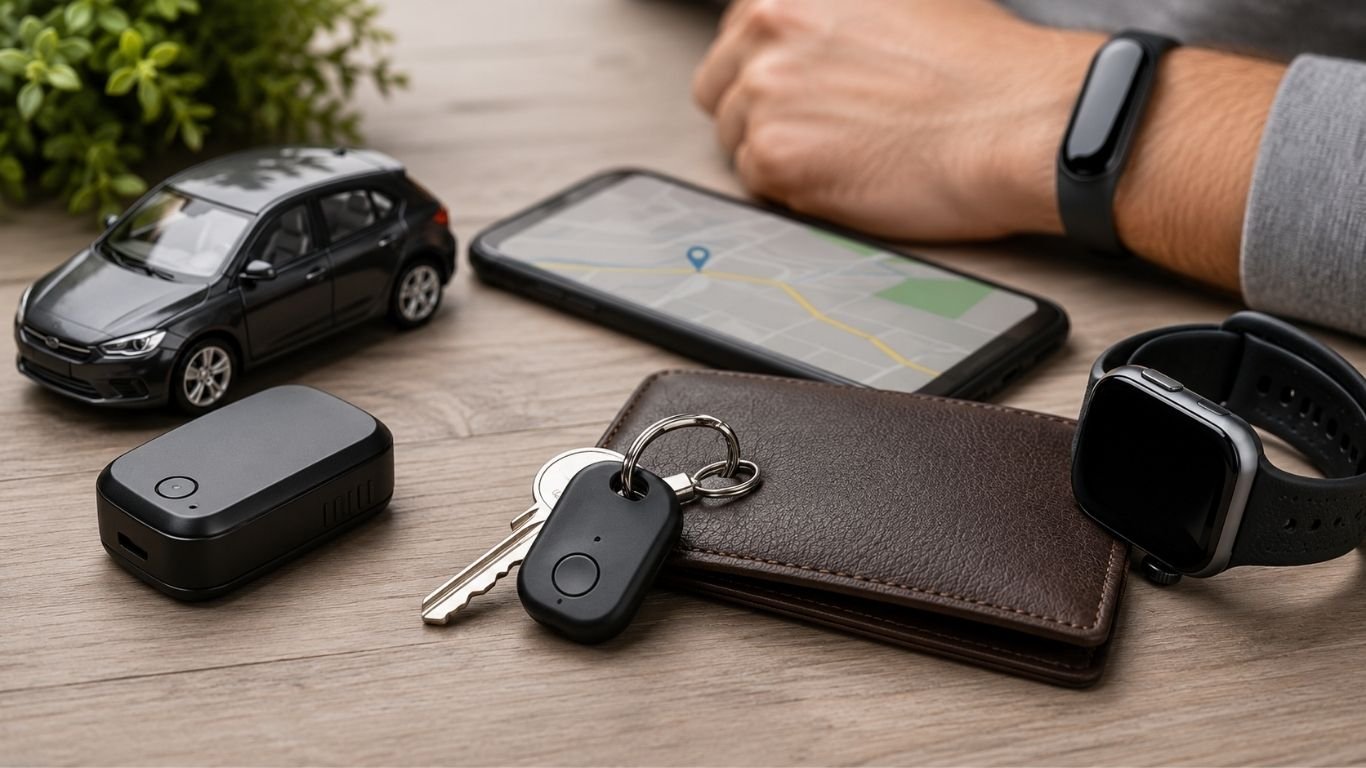
Losing a wallet, bag, car, or set of keys can ruin your day. Many people also want a clear way to follow fitness goals. Modern tracking tools solve these problems with small devices, phone apps, and smart sensors.
A tracqueur can mean a GPS unit, an item tag, or a wearable fitness band. Some show where an object is. Others record steps, sleep, or heart rate. This guide explains how these tools work and how to choose one with care.
What Is a Tracqueur?
A tracqueur is a device or digital tool that follows location, movement, or activity. It sends useful data to a phone, tablet, computer, or online account.
The word can cover several products. A GPS model may track a car. A Bluetooth tag can help find lost keys. A fitness band can record movement and rest.
The main goal is simple. It turns movement into clear information. That data can help users save time, protect property, plan routes, or build better habits.
How Does Tracking Technology Work?
Each tracqueur uses one or more signals to collect data. The device may use GPS satellites, Bluetooth, mobile networks, Wi-Fi, or body sensors.
A GPS unit checks its position through satellite signals. It may send that location through a mobile data link. The user sees the result on a map.
A Bluetooth tag works at a shorter range. It connects with nearby phones or tablets. Some brands use a wider finding network. Apple says its Find My network can report an AirTag’s location through nearby devices.
Fitness wearables use motion and light sensors. These parts can estimate steps, pulse, sleep, and exercise effort.
The Main Types of Tracqueur Devices
Not every tracking tool does the same job. Buyers should first decide what they want to follow.
GPS Tracking Devices
A GPS tracqueur is best for vehicles, equipment, pets, or other moving assets. Many models need a SIM card and a monthly plan.
Bluetooth Item Tags
These tags attach to keys, wallets, bags, and luggage. Tile states that its devices use Bluetooth to help users find personal items.
Fitness Wearables
A fitness tracqueur is worn on the wrist or body. It can count steps, record workouts, check heart rate, and study sleep.
GPS Tracqueur Uses for Vehicles and Assets
GPS tracking is common in cars, trucks, delivery fleets, and work equipment. A business can use it to see vehicle locations and review past routes.
Parents may place a legal GPS unit in a family car. Owners may also use one in a caravan, motorcycle, or valuable machine. Some systems send alerts when an asset leaves a set area. This feature is called a geofence.
A GPS tracqueur can support route planning. Managers can spot long stops, poor routes, or late arrivals. Yet the device should support work, not create unfair pressure.
Battery life matters. A wired model can draw power from a vehicle. A portable unit needs charging. Its signal may weaken inside tunnels, garages, or thick buildings.
Item Tracqueur Tags for Keys and Luggage
Item tags are made for things people often misplace. A tag can fit on keys, slide into a wallet, or stay inside a suitcase.
When the item is nearby, the app may make the tag ring. When it is farther away, the app may show its last known place. Samsung says SmartTags can ring and work with SmartThings tools to locate lost items.
An item tracqueur is not the same as a full GPS unit. Most tags do not send a constant satellite location. They depend on Bluetooth and nearby devices.
This type works well for daily life. It is small, light, and easy to set up. Buyers should still check phone support before choosing a brand.
Fitness Tracqueur Tools for Health Goals
Fitness bands and smartwatches help users study daily activity. They can count steps, track workouts, show heart rate, and record sleep.
Fitbit says the Charge 6 records steps, sleep, and heart rate. Garmin explains that sleep tracking can use movement, heart rate, and heart rate changes to estimate sleep stages.
A fitness tracqueur can make progress easier to see. A person may notice that they walk less on workdays. They may also learn that late meals or screen time affect sleep.
These readings are useful for trends, but they are not medical tests. Fit, skin contact, movement, and device quality can change results. A doctor should review serious health concerns.
Everyday Benefits of Smart Tracking
A tracqueur can reduce the stress of searching for lost items. It can also give owners more control over vehicles and work assets.
For fitness users, clear data can support small goals. A step target may encourage a short walk. Sleep records may help build a better bedtime routine.
Tracking tools can also save money. Finding a lost bag may prevent a costly replacement. Better fleet routes may cut fuel use. Fast alerts may help recover equipment.
The best benefit is often peace of mind. Users know they have a tool that can help when something goes missing.
How to Choose the Right Tracqueur
Start with the main task. Do you need live location, nearby item finding, or fitness data? This choice will remove many poor options.
Next, check range. GPS works across large areas when it has satellite and mobile access. Bluetooth is better for nearby items and finding networks. Wearables collect body and motion data.
Battery life is also key. A small tag may run for months, while a GPS unit may need regular charging. Fitness bands may last several days.
Check app quality, phone support, fees, water resistance, size, and alert options. A cheap tracqueur is not useful if its app is hard to use or its signal fails often.
Simple Setup and Daily Use
Most devices follow the same setup steps. Charge the unit or install its battery. Download the official app. Create an account, then pair the product with the phone.
Give the device a clear name, such as “Car,” “Black Wallet,” or “Travel Bag.” Turn on alerts that match your needs. Avoid too many notices, as they become easy to ignore.
Test the tracqueur before you depend on it. Walk away from the tag. Check the map. Make it ring. Review how fast the app updates.
Keep the app and device software updated. Check the battery before a trip. A tracker with no power cannot help when an item is lost.
Privacy, Consent, and Safe Use
Tracking tools can protect property, but they can also be misused. Never place a tracqueur on a person, vehicle, or bag without legal authority and clear consent.
Employers should tell workers what data is collected. Families should agree on when location sharing is active. Parents should explain tracking to older children in a fair way.
Modern phones can warn users about unknown tags moving with them. Android offers unknown tracker alerts, and Apple provides steps for detecting unwanted tracking devices.
Protect your account with a strong password. Turn on two-step sign-in when offered. Remove old devices and review who can see location data.
Common Limits and Problems
No tracqueur works well in every place. GPS signals may struggle underground or indoors. Bluetooth range can fall because of walls, distance, or signal noise.
A low battery may stop updates. Mobile GPS units can lose service in weak coverage areas. Finding networks may work better in busy cities than in quiet rural places.
Fitness readings can be wrong when a band is loose. Fast arm movement may affect step counts. Poor skin contact may affect heart readings.
Apps can also cause trouble. A phone may block background activity to save power. Users should check app permissions when updates stop.
The Future of Tracqueur Technology
Tracking devices are becoming smaller, smarter, and easier to link with daily apps. Better chips may improve battery life and location accuracy.
Future products may combine several systems. A tag could use Bluetooth for nearby searches, wider networks for lost items, and precise finding for the last few metres.
Fitness devices may give clearer trend reports. They may connect sleep, stress, exercise, and recovery in one view. The main challenge will be keeping that data useful without harming privacy.
A good tracqueur should help the user stay informed. It should not collect more data than the task needs.
Final Thoughts
A tracqueur can help find lost items, follow vehicles, protect assets, or record fitness habits. GPS units suit wide-area location needs. Bluetooth tags are better for keys, wallets, and bags. Fitness wearables focus on movement, heart rate, and sleep.
The right choice depends on range, battery life, app support, cost, and privacy controls. Before buying, decide what you need to track and how often you need updates.
Used with consent and care, a tracqueur can make daily life simpler. It turns location and activity data into clear actions that save time and reduce stress.
FAQs
What is a tracqueur used for?
A tracqueur can track location, movement, or fitness activity. It may help users find vehicles, keys, wallets, luggage, pets, or lost equipment.
Does a tracqueur need GPS?
Not every model uses GPS. Vehicle trackers often use GPS, while item tags may use Bluetooth. Fitness bands use motion and heart sensors.
Can a tracqueur track a lost phone?
Some tracking apps can help locate a lost phone. A separate Bluetooth tag may also help when attached to a phone case or nearby item.
How long does a tracqueur battery last?
Battery life depends on the device. Bluetooth tags may last several months, while GPS units and fitness bands need more regular charging.
Is it legal to use a tracqueur?
It is legal to track your own items or assets in many places. Tracking another person or their property without consent may break privacy laws.
droven. io is an online knowledge site focused on technology and artificial intelligence. It publishes free articles for people who want to understand new digital trends. Its content is built for beginners, small business owners, remote workers, and curious readers.
The site covers both broad ideas and practical tasks. A reader may learn what generative AI means. Another may compare automation tools. A business owner may read about moving files to the cloud. The goal stays simple: make complex technology easier to understand.
Unlike a SaaS platform, droven. io does not ask users to run their work inside its system. It acts more like a digital magazine and learning hub.
Why the Platform Uses Plain Language
Many technology articles are packed with long terms. They may sound smart, but they often leave readers confused. droven. io aims to remove that barrier.
Its articles break large ideas into smaller parts. Short sections help readers scan the page. Clear examples show how a tool or trend may work in daily life. This style is useful for people who do not have a coding background.
Plain language also saves time. A business owner may not need a deep lesson in machine learning. They may only need to know what an AI tool can do, what it may cost, and what risks it may bring.
Artificial Intelligence Coverage
Artificial intelligence is one of the main topics on droven. io. The site explains how AI systems create text, images, data reports, and other forms of content.
Readers may find guides about generative AI, machine learning, chatbots, and prompt writing. The articles can help users see what these systems do well. They may also explain where AI can fail.
AI for Daily Tasks
AI is not only for large firms. Freelancers can use it to draft outlines. Shop owners can use it to sort customer questions. Remote teams can use it to sum up notes.
droven. io can help readers judge these uses with care. The aim is not to praise every new tool. It is to explain what the tool does and where human review is still needed.
Guides to AI Automation Tools
Automation tools connect apps and move data between them. They can save time on tasks that repeat each day. droven. io covers platforms such as Zapier, Make, and n8n in a neutral way.
A guide may explain how a form can send data to a sheet. Another may show how a new lead can trigger an email. These steps can help a small team work faster.
Some tools are easy for new users. Others offer more control but need more setup. droven. io helps readers look at price, skill level, limits, and real use cases before they choose.
Digital Change for Small Businesses
Digital change can sound like a huge company project. In real life, it may begin with one small step. A business may move paper files into cloud storage. It may replace manual reports with a shared dashboard.
droven. io explains these changes in a simple way. It can help owners understand cloud tools, data systems, online sales, and team software.
Moving to the cloud can make files easier to reach. But it may also create new security needs. A good guide should show both sides. That fair view helps readers make better choices.
Cybersecurity Advice Without Fear
Cybersecurity is often written in a scary tone. That can make people freeze instead of act. droven. io focuses on clear steps that readers can follow.
Topics may include strong passwords, multi-factor login, safe backups, phishing emails, and staff access rules. These are basic steps, but they matter.
Small Actions Can Prevent Large Problems
A small firm may not have a full security team. It still needs a plan. Staff should know how to spot a fake login page. Files should have backups. Old accounts should be closed.
droven. io can turn these tasks into short guides. This makes cyber safety feel less like a mystery and more like a routine.
The Future of Work
Work has changed. Many people now work from home, sell services online, or manage clients across time zones. droven. io covers these shifts under its future of work topics.
The site may explain remote work tools, digital income ideas, AI skills, and online teamwork. It can also help readers understand how job roles may change as AI becomes more common.
This topic needs balance. AI may remove some tasks, but it can also create new work. Remote jobs offer freedom, but they can blur work hours. droven. io gives readers a way to study these changes without hype.
Practical Reviews for Real Users
A good tech review should answer basic questions. What does the tool do? Who is it for? Is it easy to use? What are its limits?
droven. io uses an editorial approach instead of acting as a sales page. That matters because many online reviews are written only to push a product.
A useful review should name both strengths and weak points. It should compare the tool with close options. Readers can then decide based on their budget and skill level. This is helpful for small teams that cannot test ten tools before making a choice.
Who Can Benefit and Make Better Tech Choices?
The site serves many types of readers. New users can learn basic terms. Business owners can find guides for digital systems. Remote workers can study better tools and work habits.
Content creators may use the site to understand AI writing tools. Marketing teams may learn how automation can cut manual work. Students may use clear explainers before reading deeper research.
droven. io also helps readers ask better questions. Does a tool protect user data? Can it work with current apps? Is the price fair? Will staff need training?
These questions can reduce waste. A business may avoid paying for features it does not need. A freelancer may choose a simpler tool. A team may spot a security risk before it becomes a problem.
Why Independent Tech Content Matters
Tech firms often publish their own guides. Those guides can be useful, but they also support a product. Independent content gives readers another view.
droven. io can compare tools from different brands. It can explain a trend without trying to sell one answer. This gives the reader more control.
Independent writing also leaves room for doubt. Not every AI tool saves time. Not every cloud move cuts costs. Not every automation is worth building. Honest content should say that.
Readers are more likely to return when a site gives useful facts instead of empty praise.
What Makes droven. io Different?
The main difference is its role. droven. io is not an app, dashboard, or paid workflow system. It is an editorial platform.
Its value comes from clear teaching. It links new ideas with real needs. It can explain a hard topic without making the reader feel lost.
The site also brings several tech areas into one place. A reader can move from AI basics to cyber safety. They can then read about remote work or cloud tools. This mix makes the site useful for people who need one trusted starting point.
Bottom Line
Technology will keep changing. New AI models, work tools, and online risks will appear. Most readers do not need more hype. They need clear facts and useful steps.
droven. io meets that need as a free editorial and learning platform. It helps non-experts understand AI, automation, digital change, cybersecurity, and modern work.
For business owners, it can support smarter choices. For remote workers, it can explain new tools. For beginners, it can make hard ideas feel simple.
The site’s strength is not a product feature. It is the way the content is written. Clear words, fair reviews, and practical advice give readers a better path through fast-moving technology.

Foster CryptoProNetwork is a search term linked with crypto tools, blockchain education, community activity, and digital asset tracking. Some pages describe it as a wider crypto platform. Others use the name for community programs, guides, or people tied to CryptoProNetwork.
That makes the topic confusing. A reader may expect one clear app with one set of features. The public web does not show that clearly. CryptoProNetwork.com presents itself as a crypto news and information site. It also publishes pages about Foster, trading, security, community work, and blockchain tools.
This guide explains what is known, what is claimed, and what users should check before trusting any crypto service tied to the name.
What Is Foster CryptoProNetwork?
Foster CryptoProNetwork is often described online as part of a crypto-focused digital ecosystem. Pages tied to the term discuss blockchain networks, market data, security, smart contracts, community education, and digital asset use.
Yet the name does not point to one clearly documented product in the same way as a major exchange or wallet. CryptoProNetwork.com mainly identifies itself as a site for crypto news and updates. Its own pages also use “Foster” in different ways, including as a platform name, a community role, and a person tied to community projects.
So users should not assume every page with the name refers to the same company, app, token, or service.
How AI Could Fit Into Crypto Analysis?
AI can process large sets of market data very fast. A system can watch price moves, volume, liquidity, and other signals at the same time.
This is one idea linked with Foster CryptoProNetwork in online descriptions. The goal is to find patterns and turn them into alerts or simple market views. That may help users notice unusual activity sooner.
Still, AI does not remove risk. Crypto prices can move because of news, regulation, hacks, large trades, or sudden changes in market mood.
A service that claims very high prediction accuracy should show its method, test history, and independent proof. Without that, the number is only a claim.
Market Alerts and Portfolio Tracking
Price alerts are among the most useful crypto tools. Users can set a target for a coin and get a notice when the market reaches it. Volume alerts can also flag a sharp rise in trading activity.
A good portfolio tool adds more context. It may show total value, gains, losses, asset weight, and past performance. That can help a user spot heavy exposure to one coin or one part of the market.
The separate Crypto Pro app says it offers live prices, portfolio tracking, exchange and wallet imports, and custom alerts. It also says user data is encrypted and stored locally on the device.
Those verified Crypto Pro features should not be treated as proof that every Foster CryptoProNetwork service offers the same system. Similar names can refer to separate products.
Self-Custody and Private-Key Safety
Self-custody means the user controls the keys to crypto assets. It can reduce reliance on a central exchange. But it also puts more responsibility on the owner.
Any service tied to Foster CryptoProNetwork should be judged carefully if it asks for wallet access. A tracker may only need a public wallet address or a read-only API connection. It should not need a seed phrase to show a balance.
Never type a recovery phrase, master private key, or hardware-wallet seed into a normal website form. If an API key is used, remove withdrawal rights when possible.
The safest rule is simple: give a tool only the access it needs.
Community Learning and the “Foster” Idea
Another meaning appears on CryptoProNetwork.com. Recent pages describe Foster as a person involved in community projects, developer onboarding, grants, governance, and mentorship. The site also publishes a guide about a “foster” role for mentors and builders.
That means Foster CryptoProNetwork may also be searched by people looking for a community identity rather than a trading product.
This angle makes sense. Crypto is technical. New users often need help with wallets, gas fees, smart contracts, token transfers, and security.
But community advice still needs checks. A popular post or mentor is not a substitute for code audits, legal records, or regulator data.
Is It the Same as the Crypto Pro App?
No clear public evidence shows that the two names should be treated as the same product.
Crypto Pro has an official site and an Apple App Store listing. Its documented focus is tracking. It offers live prices, portfolio tools, news, alerts, and support across Apple devices. The App Store lists Crypto Inc. as the developer.
Foster CryptoProNetwork, by contrast, appears mainly in articles and pages linked with CryptoProNetwork-branded sites. Some pages make broad claims about blockchain infrastructure, staking, AI, and trading.
Users should keep these brands separate unless an official company record clearly connects them.
Claims That Need Extra Verification
Crypto pages often use large numbers to get attention. They may cite transaction speed, staking returns, node counts, prediction rates, or total value locked.
One CryptoProNetwork article makes specific claims about thousands of transactions per second, staking yields, cross-chain volume, and AI prediction accuracy. The page presents those figures, but strong independent support is not obvious in the public sources reviewed here.
Treat such figures as claims until they can be checked through public block explorers, audited contracts, code repositories, company filings, or respected third-party research.
The same rule applies to any crypto project. Big numbers need strong proof.
How to Check Whether a Crypto Platform Is Legit?
Start with the legal name. A real financial service should make it easy to find the company behind the website. Check its registered address, terms, and regulator status.
Then check the domain. Fake crypto sites often copy names and logos. Search for the exact web address rather than trusting a link sent in a message.
Also check what the service wants from you. A tracking tool should not need your recovery phrase. An investment service should explain fees, custody, withdrawals, and legal status.
Be careful with regulator warnings too. The UK FCA has a warning for a firm called “Crypto Pro Investment” at a different website. That warning should not automatically be applied to Foster CryptoProNetwork or to the Crypto Pro tracking app. A similar name does not prove a connection.
Benefits, Limits, and Future Potential
The main benefit of a crypto dashboard is clarity. It can bring prices, holdings, alerts, and market data into one view. That saves time. Education can help users understand wallets, token transfers, fees, and basic security.
The limits matter just as much. No dashboard can remove market risk. No AI model can promise profit. And no community leader can make an unverified platform safe by reputation alone.
Crypto software will likely use more automation. Users can expect better alerts, cleaner portfolio views, stronger wallet links, and more AI-based summaries.
Foster CryptoProNetwork fits that wider idea, at least in the way it is described online. The strongest version of such a service would focus on clear data, strong security, transparent ownership, and easy-to-check claims.
Bottom Line
Foster CryptoProNetwork sits at the meeting point of crypto content, community building, market tracking, and claims about advanced blockchain tools. That makes the term interesting, but it also makes careful research necessary.
The safest approach is simple. Separate verified features from marketing claims. Check the exact domain. Confirm the company behind any service. Protect private keys. Never treat an AI alert as a promise of profit.
Crypto tools can make information easier to read. They cannot remove the need for judgment.
Frequently Asked Questions
Is Foster CryptoProNetwork a crypto exchange?
Public information does not clearly establish it as a major regulated exchange. The name appears across CryptoProNetwork content tied to community, blockchain, and trading topics.
Does it use artificial intelligence?
Some online descriptions connect the name with AI-based market analysis. Users should look for technical documents and independent testing before accepting performance claims.
Is Crypto Pro the same service?
The documented Crypto Pro app is a separate portfolio tracker with its own official site and App Store listing. A clear corporate link to CryptoProNetwork has not been established in the sources reviewed.
Should I connect my wallet to a crypto tracker?
Only use trusted tools. Prefer public wallet addresses or read-only access. Never share a seed phrase or private key with a tracking website.
Can automated crypto tools guarantee profits?
No. Crypto markets are volatile. Automated tools may help organize data or send alerts, but they cannot guarantee a return or prevent losses.
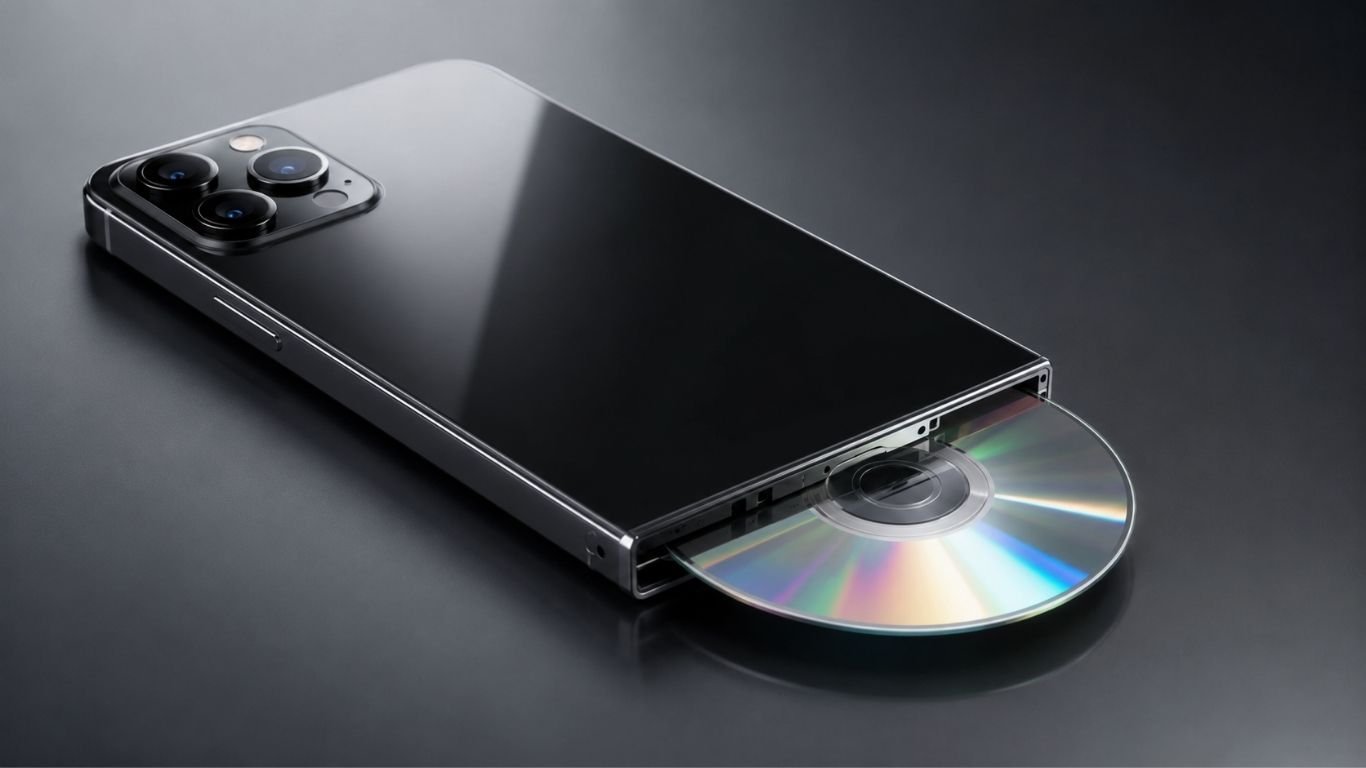
CDiPhone is a strange name that has gained attention online. It sounds like a new Apple device. It is not an announced iPhone model. Instead, the term describes a fan-made idea that mixes compact discs with a modern phone.
The concept joins old music collections with touch screens, apps, and smart tools. Some images show a tiny disc slot. Others show a round module on the back.
What Is CDiPhone?
CDiPhone is a concept for a phone that can use, read, or connect with compact discs. It is often shown as an iPhone-like device with a small optical drive or a removable music part.
The name may suggest “compact disc iPhone.” Yet there is no fixed design or clear set of features. One version may play music from a small disc. Another may use a disc-shaped storage card. A third may only borrow the look of a CD.
Online articles describe CDiPhone as a viral, AI-made smartphone idea. They also agree that it is not a normal retail product.
Is CDiPhone a Real Apple Product?
No official Apple support guide presents CDiPhone as an iPhone model. Apple’s current advice for CD owners uses a computer. Users import the songs first, then move or sync the files to an iPhone.
That point matters because concept images can look real. AI tools can add clean metal edges, Apple-style screens, and studio lighting. A social post may remove the word “concept.” Soon, viewers may think they are seeing a leak.
Treat any CDiPhone launch date, price, storage size, or battery claim with care. Those details are often part of the creator’s story. They are not confirmed product facts.
Why Did CDiPhone Become Popular?
The idea joins two strong interests. The first is love for old music. Many people still own albums that are not part of their daily phone library. A disc can also hold memories linked to a time, person, or place.
The second interest is future tech. People enjoy devices that break normal design rules. CDiPhone does this well. It places a large physical object inside a very thin digital tool.
AI image tools make such ideas fast to create. A designer can test many shapes, screens, hinges, and disc trays. The final image may look polished even when the device cannot be built.
The Retro-Futuristic Design Style
Most CDiPhone art uses a retro-futuristic style. “Retro” comes from the compact disc, shiny plastic, clear cases, and music players. “Futuristic” comes from slim glass, smart screens, voice control, and wireless links.
This mix gives the device a clear visual hook. The round disc breaks the flat shape of a phone. It may sit under a clear panel or slide into a side slot. Some designs add soft lights around the disc.
The concept brings back a physical action. You choose an album, insert it, and play it.
How Could a CD Phone Work?
A full-size compact disc is much wider than a phone. It also needs room to spin. A laser must read the disc while the system controls heat, power, and movement. This makes a true built-in drive hard to fit inside a slim phone.
A more realistic CDiPhone design would use an outside unit. The phone could connect to a small disc reader through USB-C, Wi-Fi, or Bluetooth. The reader would handle the moving parts. The phone would show the album, tracks, and controls.
Another option is a modular case. A thicker case could hold a small optical reader and its own battery. It would be less sleek, but it would protect the phone from heat and shaking.
Features and Benefits People Imagine
Concept makers often give CDiPhone more than a disc drive. They may add smart song search, cover scanning, automatic track names, and cloud backup. The phone could save a digital copy after reading the disc.
A useful version could build playlists and sort songs by artist, year, or style.
The biggest benefit is access. A user could enjoy an old collection without buying the same albums again. It may also help with rare music that is missing from major streaming services.
CDiPhone also supports the idea of ownership. A physical disc does not vanish when a subscription ends. The case, booklet, art, and act of choosing a disc can also add value to the music experience.
Problems a Real Version Would Face
The first problem is size. A standard CD is too large for the body of an iPhone. A smaller disc would hold less data and may need a special drive.
The second problem is power. Spinning a disc and running a laser would use battery life. It could also create noise and heat. Sudden movement may cause reading errors.
Dust is another risk. A slot can let dirt enter the device. Water protection would become harder. Cost would rise because the phone would need extra motors, sensors, shields, and repair steps.
For most users, a digital music file offers the same song with less trouble. That is the main reason a real CDiPhone would face a hard market.
How to Put CD Music on an iPhone
You do not need CDiPhone hardware to hear your discs on an Apple phone. The normal method is to import the CD on a Mac or Windows PC.
On a Mac, open the Music app. Insert the disc into a built-in drive or an external drive. Select the songs and choose Import CD. Apple says the app uses AAC by default, though you can change the import format.
On Windows, iTunes can import songs from an audio CD. It can show the disc, ask before import, or import it at once. Apple also lists AAC as the default format and offers choices such as MP3 and Apple Lossless.
After import, connect the iPhone to the computer. On newer Windows setups, the Apple Devices app can sync all music or selected albums and playlists. On a Mac, Finder handles device syncing on current macOS versions.
Which Audio Format Should You Choose?
AAC is a good choice for most iPhone users. It gives solid sound while keeping file size low. It also works well inside Apple’s music tools.
MP3 is useful when you plan to play the same files on many brands of phones, cars, or music players. It has wide support, but quality depends on the chosen bit rate.
Apple Lossless keeps more of the source sound without the data loss used by AAC or MP3. The files are larger. It suits listeners who want a close copy of the disc and have enough storage. Apple explains that higher quality usually means a larger file.
How to Spot Fake CDiPhone Claims
A CDiPhone image should be treated as concept art unless Apple confirms it. Check whether the post points to Apple Newsroom, an Apple product page, or an official event. A logo alone proves nothing.
Look closely at the hardware. Does a full disc fit inside the phone? Is there space for it to spin? Would the camera, battery, and charging parts still fit? Unreal shapes are a warning sign.
Watch for vague claims such as “coming soon” with no source. Fake pages may also invent prices or pre-order buttons.
What the Trend Says About Future Phones
CDiPhone may never become a real disc-based phone. Still, the trend points to a real demand. Some users want more control over their files. Others miss physical media and simple ownership.
The more practical future may be modular accessories. A phone could connect to a small reader, camera grip, game control, or storage unit only when needed. This keeps the main phone thin.
The trend also shows why clear labels matter in AI art. A strong render can be useful for design study. But it should not be presented as a confirmed product.
Final Thoughts
CDiPhone is best understood as a creative tech idea, not a product you can buy from Apple. Its appeal comes from a simple mix: old discs, modern phones, and smart software.
The design is fun, but a built-in CD drive would bring major limits. Size, power, heat, dust, and repair needs would all increase. An external reader would make more sense.
For now, the practical answer is digital conversion. Import your CDs on a Mac or PC, choose the right audio format, and sync the music to your iPhone. That gives you the main benefit of CDiPhone without waiting for a fictional device.

What Is droven. io? A Simple Guide to AI, Automation, and Modern Tech

Is SpareBox Storage Worth It? A Complete Customer Guide

What Is Lufanest? A Guide to Its Digital and Sustainable Meaning

Merfez Meaning: A Guide to Simpler, Warmer, and More Intentional Living

What Is the IP2 Network? A Complete Guide

What Is a Serumcu? Uses, Risks, Safety, and Medical Facts
-
 Blog3 months ago
Merfez Meaning: A Guide to Simpler, Warmer, and More Intentional Living
-
 Technology3 months ago
What Is the IP2 Network? A Complete Guide
-
 Blog3 months ago
What Is a Serumcu? Uses, Risks, Safety, and Medical Facts
-

 Blog2 months ago
Why AI Transformation Is a Problem of Governance for Modern Businesses
-

 Blog2 months ago
Sosoactive: A Complete Guide to the Digital Media Platform
-

 Blog2 months ago
Troozer Com: What It Is, How It Works, and Is It Safe?
-

 Technology2 months ago
Learn About Success100x.com: A Practical Platform for Personal and Professional Growth
-

 Blog3 months ago
What Is Nerwey? A Complete Norway Seasonal Travel Planning Guide